YouTube Shorts for Clip Channels: How Distribution Works
Updated
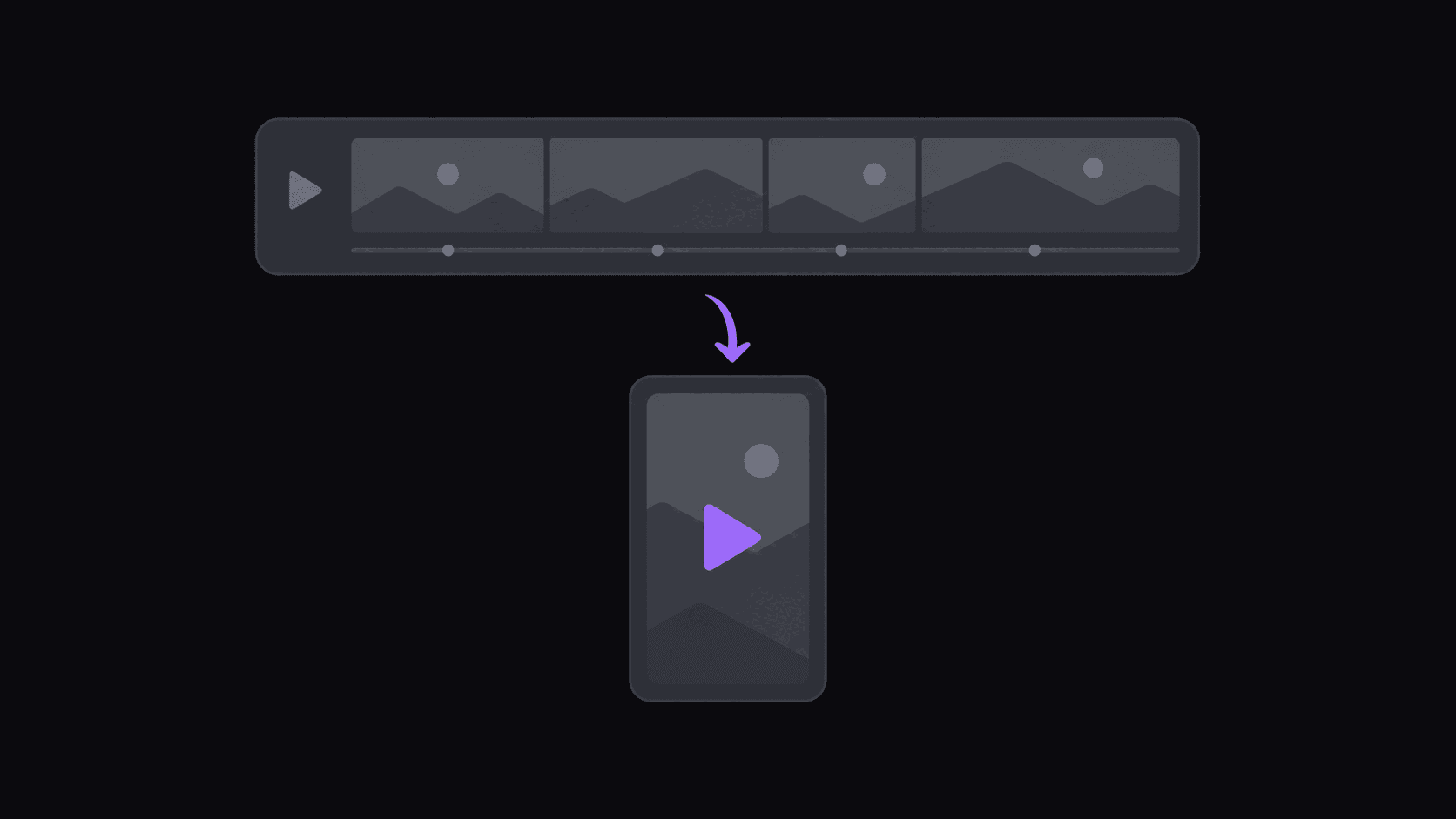
Shorts is not TikTok with a different logo
Clippers who cross-post identical clips to both and see wildly different results usually assume something's broken. Nothing is. The two feeds reward different behaviour, and the differences are consistent enough to plan around.
The biggest one: viewers arrive on Shorts with more patience. A 60-90 second clip with a proper setup can outperform the same moment cut to 25 seconds — the reverse of what works on TikTok. YouTube's three-minute limit isn't a formality; longer clips genuinely compete.
The second: your channel identity carries. Shorts sits inside YouTube, so a viewer who likes your clip can see everything else you've made, subscribe, and get surfaced your next upload. Follower count means more here than it does on TikTok, and the compounding is real.
The third: search. Shorts are indexed and surface in YouTube search and suggestions for months. A TikTok has a shelf life measured in days. A Short can keep earning views into next year.
What the feed actually optimises for
Viewed-versus-swiped is the core measure — the share of people shown your Short who watched rather than flicking past. It's a blunter signal than completion rate and it makes the opening seconds decisive.
After that, average view duration as a proportion of runtime, then the actions that follow: likes, comments, and, weighted heavily for clip channels, subscribes from the Short. A viewer subscribing after one clip is the strongest possible endorsement, and it's the signal that separates accounts that grow from accounts that occasionally spike.
One quirk worth knowing: Shorts and long-form performance interact on the same channel. A channel that only posts Shorts will still grow, but Shorts viewers converting into long-form watch time strengthens the whole channel. If you ever plan to publish anything longer — a compilation, a commentary piece — the Shorts library feeds it. How Shorts treats clipper content goes deeper on the clip-specific side.
Cutting and titling for a searchable feed
Because Shorts are indexed, titles do real work here in a way they don't on TikTok. Write what someone would actually type: the creator's name, the topic, the specific thing that happens. A title naming the creator and the claim — "[creator name] on why morning light matters" — outperforms "THIS CHANGED MY LIFE 🤯" over any timeframe longer than a week, because the first keeps being found and the second only works while it's in the feed.
Cut longer than you would for TikTok. Give the moment its setup. Clips that felt too slow for TikTok often perform well here, which means a batch can produce two versions of the same moment — a tight cut for TikTok and a longer one for Shorts. Around nine clips come back from a typical video, so there's usually enough material to serve both without cutting quality.
Keep captions on. A large share of Shorts viewing is muted, exactly as it is elsewhere, and word-synced captions add the motion that keeps a static talking head watchable.
And get the vertical framing right — a letterboxed 16:9 clip in a 9:16 feed occupies a fraction of the screen and loses before anyone reads the title. Reframing to vertical covers it.
Cadence, monetisation, and honest expectations
One to three Shorts a day is a sensible range. Consistency matters more than volume — an account that posts daily for two months outperforms one that posts twenty clips in a week and then goes quiet, because subscriber conversion compounds and interruption resets it.
On money: the Shorts revenue share exists but pays modestly per view compared with long-form, and eligibility requires meeting YouTube's Partner Program thresholds. Most clip channels earning meaningfully do it through content-reward campaigns, brand deals, or driving traffic somewhere else rather than through Shorts RPM alone. Shorts monetisation for clippers has the specifics.
The realistic timeline: expect a few months of consistent posting before the channel is placed with an audience that reliably shows up. Search discovery in particular is slow to start and then keeps paying, which is the opposite shape from TikTok's early spikes. Auto-posting on a spaced schedule to Shorts and 12 other destinations exists so the cadence doesn't depend on you remembering — set the week, then get back to sourcing.
Frequently Asked Questions
Longer than you'd cut for TikTok. 45-90 seconds works well when the moment has a setup and a payoff, and the limit runs to three minutes. Cutting everything to 25 seconds out of habit leaves performance on the table here.
No. Posting the same clip across different platforms is standard and expected. The pattern that causes trouble is uploading an identical file to multiple accounts within one platform.
One to three, posted consistently. Steady daily output beats bursts, because subscriber conversion is what compounds on YouTube and a gap in posting resets the momentum you built.
More than on any other short-form feed, because Shorts are indexed and surface in search for months. Descriptive titles naming the creator and topic keep earning views long after the initial feed push ends.
Yes. Clips can be scheduled and auto-posted to YouTube Shorts and 12 other short-form destinations on a spaced schedule, which is available from the Starter plan up along with watermark-free export.
Related Articles
See also
Cut once, serve both feeds
A tight version for TikTok and a longer one for Shorts from the same source, scheduled out across the week.
Get started for free