How the YouTube Shorts Algorithm Treats Clipper Content
Updated
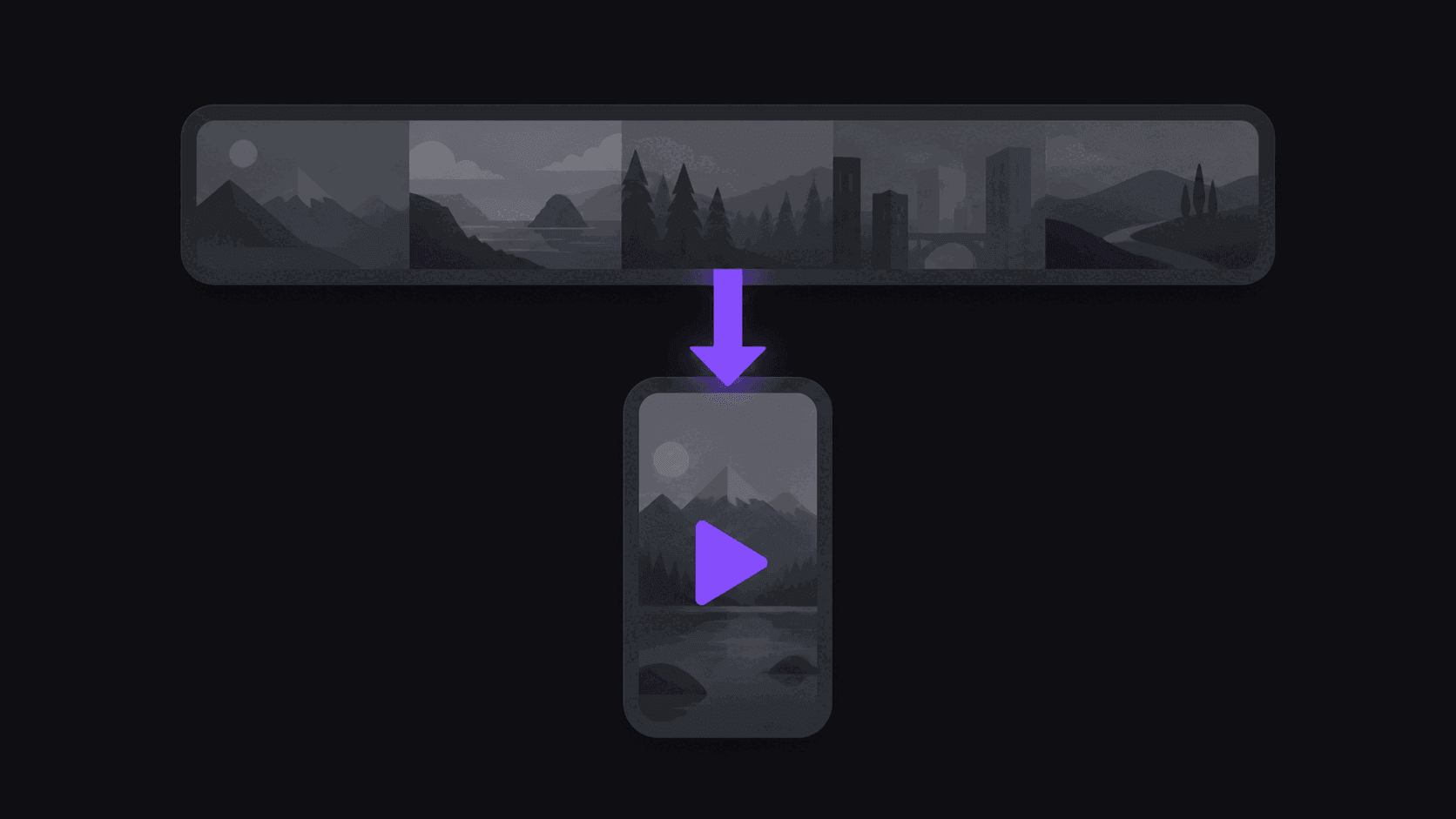
Shorts is a search engine wearing a feed
This is the difference that matters, and it is the one clippers coming from other platforms consistently miss.
Shorts sits inside a platform whose core competence is matching queries to videos. Your clip does not only live in a swipe feed; it lives in search results, in suggested panels next to related videos, and on your channel page, indefinitely. A clip that flops in the feed can quietly accumulate views for a year because it happens to be the best answer to a question people keep typing.
This changes how you write. Titles and descriptions are not decoration here — they are how the clip gets found. A clip titled with the creator's name and the specific thing that happened will keep collecting traffic long after a clip titled 'INSANE moment' has gone dark.
It also changes what a clip is worth. On a pure feed, a clip's lifetime is roughly 48 hours. Here, a well-titled clip has a shelf life measured in months, which justifies spending an extra minute on the title.
The reused content rule, and how clip channels stay on the right side of it
YouTube requires that monetized content be meaningfully original or substantially transformed. Uploading someone else's video with no added value is explicitly not allowed, and this is the rule clip channels bump into most.
Being precise about what it does and does not mean: the rule is about whether you added something, not about whether you own the footage. Compilations, reaction content, and commentary have all been monetized on the platform for years. What gets rejected is straight re-uploading — the same video, unchanged, with nothing of yours in it.
What counts as added value in practice: selecting a specific moment out of a three-hour stream is itself editorial work, and pairing that with vertical reframing, original captions, a hook, and your own titling produces something the source did not contain. Channels that get rejected are usually the ones that automated nothing except the upload — same aspect ratio, no captions, no selection judgment, sometimes the source's own logo still visible.
The honest framing: clipping sits closer to the line than original content does, and channels do get rejected. Adding real work to every clip is both the ethical position and the practical one.
What the feed rewards
Inside the Shorts feed the mechanics rhyme with every other short-form surface, with two clipper-relevant wrinkles.
First, viewers on this platform arrive with slightly more patience. Slightly. The first two seconds still decide most of it, but clips in the 30 to 50 second range tend to hold up better here than on faster-swiping feeds, which means you can afford a beat more setup before the payoff.
Second, the relationship between your Shorts and your long-form content runs both ways. If your channel also posts longer videos, Shorts viewers become a discovery funnel for them, and the platform surfaces the connection. Pure Shorts clip channels forgo that, which is a legitimate choice — just know you are turning off one growth path.
The usual retention discipline applies and matters more than any of this: cut on the payoff, never after it. A 28-second clip people finish beats a 55-second clip they leave at 30.
Money: what actually gates it
The monetization requirements for Shorts are public and specific, and they are two separate paths — a subscriber threshold plus either long-form watch hours or Shorts views over a rolling window. Check the current numbers on the platform itself; they move.
What is worth internalizing is that revenue per view on Shorts is low compared to long-form, and lower than most clippers expect going in. Building a Shorts clip channel purely for platform ad revenue is a slow path. The clippers doing well financially usually stack revenue: platform payouts plus content-reward campaigns plus sponsorships plus, for some, driving traffic to something they own.
Justin, a clipper, made about $3,000 in a month clipping. Results like these are not typical — earnings depend on your niche, the campaigns you post to, and how consistently you publish. The reason that number is achievable at all is the stacking, not any single platform's ad share.
Shorts monetization for clippers goes deeper on the requirements, and revenue per clip is the metric to track once money starts arriving.
A workable weekly rhythm
What this looks like in practice for a clip channel treating Shorts as a primary destination:
Pick two or three source channels and stay with them long enough for the platform to understand who your audience is. Set them up as monitored channels so new uploads and stream archives get clipped without you checking manually — Starter covers one monitored channel, Pro three, Scale ten.
Review the clips rather than posting them blind. Around nine come back from a typical video; maybe five are worth posting, and knowing which is the skill that separates channels.
Title each one with the searchable entity in front. Spend the minute. This is the platform where that minute compounds the most.
Post two to four a day on a spaced schedule and read the comments on the first hour of each. Then look at your numbers weekly, not daily — single-clip variance is enormous and daily checking will teach you nothing except anxiety.
Frequently Asked Questions
Banned, no — the realistic risks are monetization rejection under the reused-content policy and copyright strikes. Both are avoidable. Add genuine work to every clip: real editorial selection, vertical reframing, original captions, your own titling. Do not re-upload files carrying another platform's logo, and watch the audio in the segments you cut.
No. They are evaluated separately, and a Shorts audience can feed long-form discovery rather than cannibalize it. What can hurt is a mismatch — if your Shorts pull an audience with no interest in your long-form topic, the crossover simply will not happen. That is a targeting issue, not a penalty.
As long as the moment needs and not one second longer. Most strong clips land between 25 and 50 seconds. The trap is padding to hit a length target — completion percentage matters more than duration, so trim to the payoff and stop. If a moment genuinely needs 55 seconds, use them; if it lands at 22, end at 23.
Yes, and that is the standard clipper workflow. Point AutoClip at any public YouTube, Twitch, or Kick channel and new uploads get clipped and queued to your accounts automatically. Credit the source in the video and the description, skip creators who publicly object to being clipped, and add real transformation to every clip you post.
Related Articles
See also
Clips that are findable months later
Monitor the channels you cover, get vertical clips with word-synced captions back in roughly five minutes, and title them for search before they go out.
Get started for free