A Lex Fridman Clip Workflow That Fits in an Evening
Updated
A source with unusual economics
Long episodes, released irregularly, packed with self-contained ideas. That combination is unusually favorable for clipping and unusually punishing if you approach it like a daily-stream niche.
Favorable, because a three-hour conversation about consciousness or war or software contains dozens of moments that make sense with zero context. That is the rare property in short-form — most clips need setup, these mostly do not.
Punishing, because the release schedule will not carry your posting cadence. If you post only when a new episode drops, your account goes quiet for stretches, and quiet accounts get shown to fewer people. The back catalog is the answer, and most clippers in this niche discover that too late.
The evening workflow
Set monitoring on the source channel so new episodes queue on release rather than depending on you noticing.
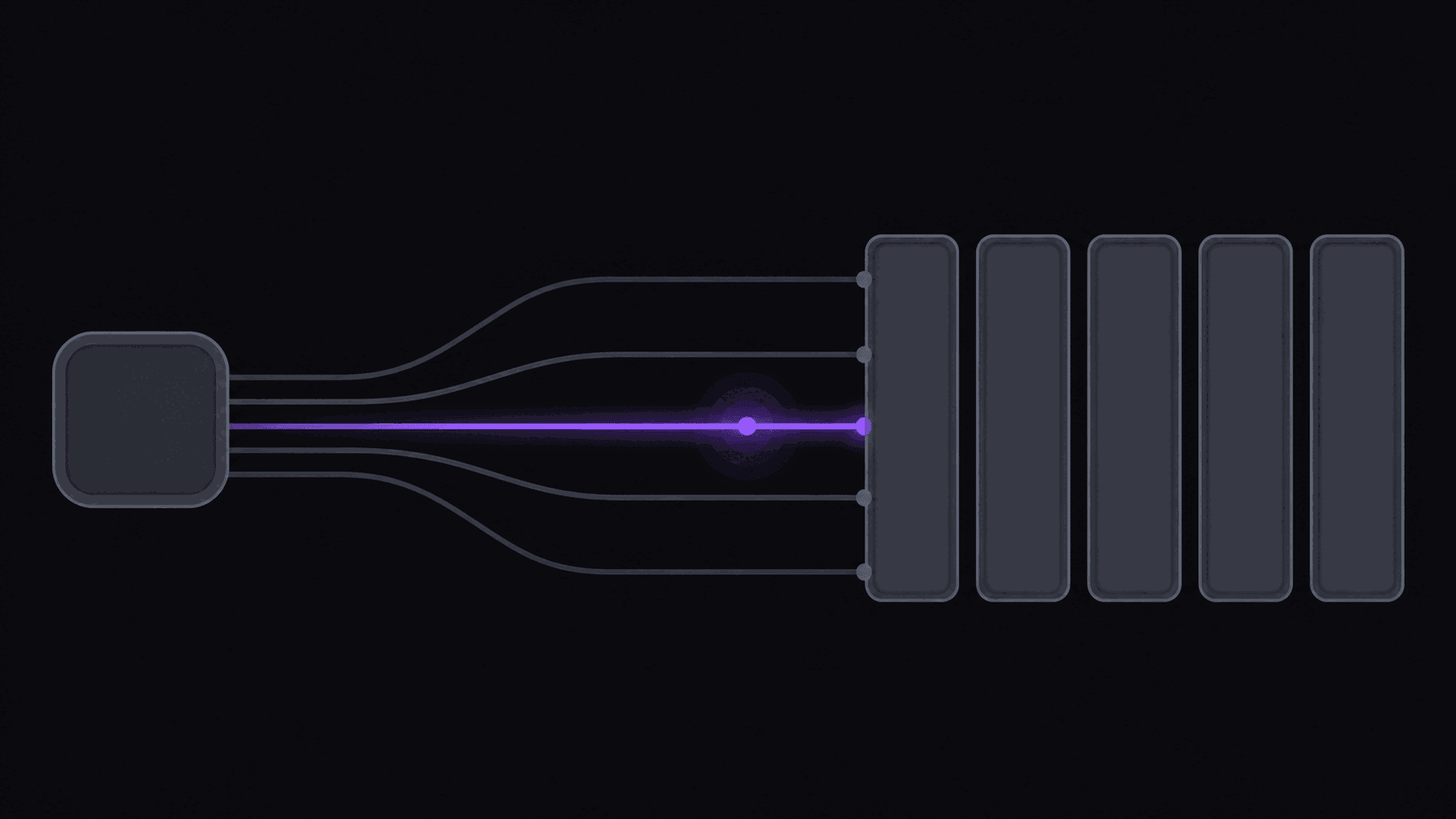
When an episode processes, you get a shortlist of candidate moments — around nine from a typical video — instead of a three-hour timeline. Processing takes about 5 minutes for a typical video and proportionally longer for a three-hour episode, so start it before dinner.
Review with a specific test: would this clip make sense to someone who has never heard of the guest? Clips that pass are the ones that travel. Clips that require knowing who the guest is stay inside the existing audience, which is not growth.
Trim so the clip opens on the claim. These conversations move slowly and almost every good moment has ten seconds of throat-clearing in front of it. Cut all of it.
Then schedule three to five clips across the week, mixing new-episode clips with back-catalog ones so your posting rhythm does not depend on the release calendar. Source length matters for plan choice here: Starter caps sources at 2 hours, Pro at 5, Scale at 10, and these episodes routinely run past two.
What clips and what does not
Clips well: a guest stating a counterintuitive position in one sentence. Technical explanations compressed to their punchline. Moments of genuine disagreement. Personal stories with a clear arc. Anything that would work as a standalone quote.
Does not clip: long collaborative reasoning, where the value is the twenty minutes of building. Inside references. Anything where the interesting part is the interviewer's framing rather than the answer.
Captions carry these clips almost entirely. Two people talking quietly is not visually compelling, so word-synced captions plus a vertical frame that follows the active speaker is what keeps someone watching. Cuts landing on speaker changes rather than mid-sentence matter more here than in most niches, because the conversational rhythm is slow enough that a badly placed cut is obvious.
The saturation problem, said plainly
This niche is not empty. Long-form interview clipping has been one of the most heavily worked corners of short-form for years, and a generic "best moments" channel has almost no chance now.
What still works is specificity. Be the channel for the AI-safety conversations, or the physics ones, or the ones about grief, or the moments where the guest pushes back. A narrow channel with four hundred subscribers who care is worth more than a broad one with four thousand who do not, both commercially and algorithmically.
Lex Fridman clip niche saturation goes deeper on where the remaining gaps are. If after reading it the answer is "nowhere," apply the same workflow to a less-worked interview source — best niches for clip channels has alternatives, and the process transfers unchanged.
Frequently Asked Questions
Irregularly, which is why the back catalog matters. Build your posting schedule on archive clips and treat new episodes as a bonus rather than the foundation.
Ones who state positions crisply and disagree openly. Guests who reason slowly and collaboratively produce great conversation and poor short-form, because the value is spread across twenty minutes.
Three to five is a sustainable rhythm for one person. Consistency beats volume here — the audience for idea-driven clips is patient, but only if you keep showing up.
Specialize. Generic best-moments channels are the most crowded slice of this niche. Pick a subject lane and be the obvious destination for it.
Yes. Starter accepts sources up to 2 hours; Pro goes to 5 and Scale to 10. Most episodes in this niche run past the Starter limit, so Pro at $39.99/mo is the realistic floor. See [pricing](/pricing).
Related Articles
See also
Clip a three-hour episode in an evening
Monitor the source, review a shortlist instead of the full timeline, and schedule the week across new and back-catalog clips. Typical videos process in about five minutes.
Get started for free