Clipper vs Creator: The Distinction That Actually Matters
Updated
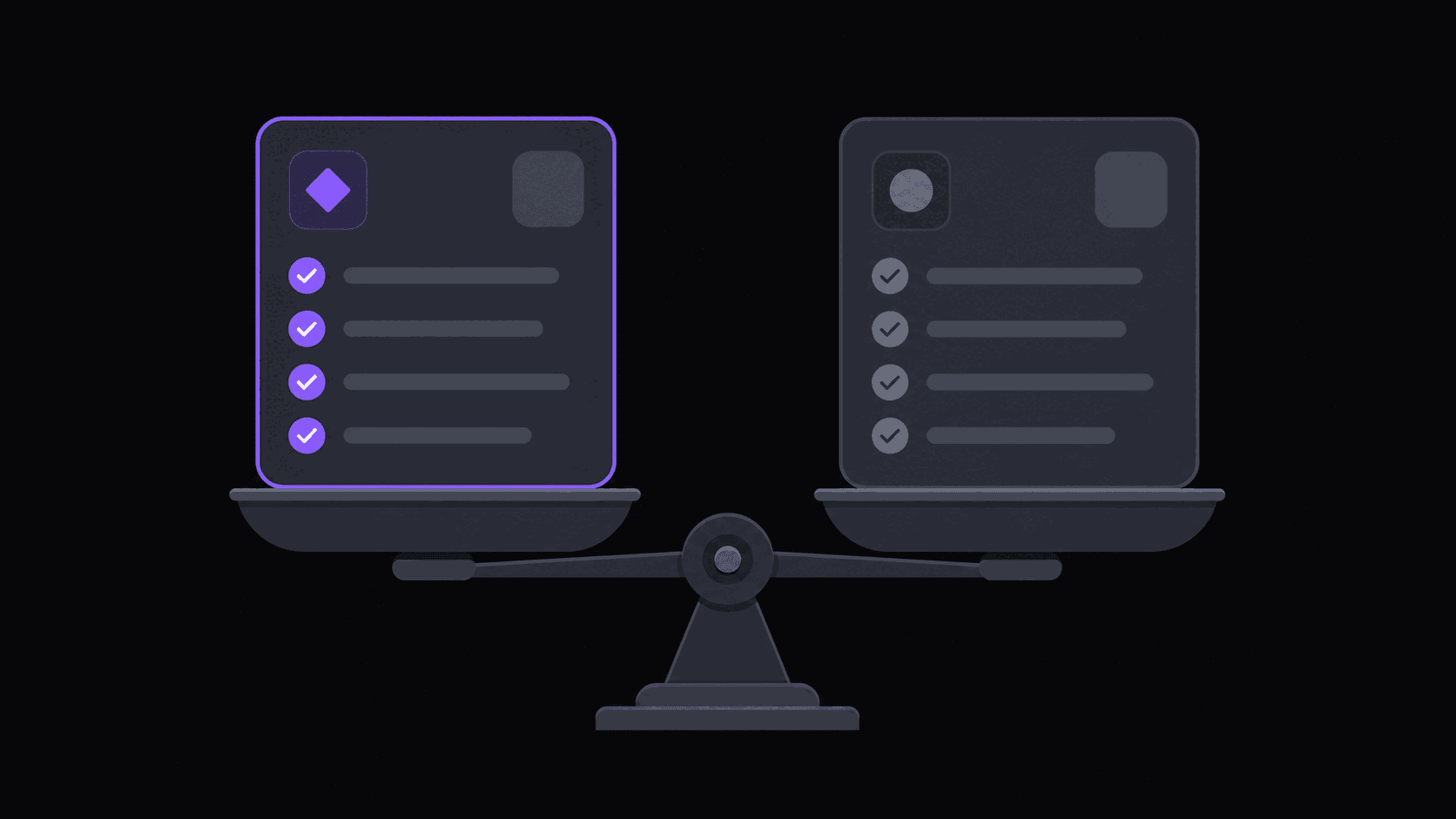
It is not about who edits
People usually describe the difference as "creators make the footage, clippers cut it up." True, and not useful.
The distinction that changes your decisions is this: a creator owns their supply and a clipper does not.
Everything else follows. A creator can decide to make something next week and it exists. A clipper's week is determined by what other people happened to stream, upload, or say. That single asymmetry drives different risks, different growth curves, and different reasons things stop working.
If you are choosing between the two, choose on that basis rather than on which one sounds more creative.
What each one is actually optimizing
Creators optimize for the thing they make. Their scarce resource is attention and energy. One good video can carry a quarter. Their failure mode is burnout, and their moat is that nobody else can make what they make.
Clippers optimize for throughput and judgment. Their scarce resource is time spent finding moments in material they did not produce. One good clip carries a day. Their failure mode is source dependency — the streamer quits, changes format, or gets picked up by forty other clip channels — and their moat is speed plus taste.
This is why advice crosses over badly. "Post less and make it better" is correct for a creator and often wrong for a clipper, whose entire economics rest on volume with a high hit-rate on a small number of uploads. And "just batch a week of content on Sunday" is fine for a clipper and impossible for a creator whose format requires being live.
Clipper vs creator: what's the difference covers the day-to-day version; this is the strategic one.
The money is shaped differently
Clipping pays sooner and caps lower. Creating pays later and caps higher.
A clipper can reach real income inside a few months, because clip channels grow fast when the source is hot and because reward campaigns pay on views without requiring a brand deal. Alex, a beginner with no prior editing experience, made $400. Justin, a clipper, made about $3,000 in a month. Results like these aren't typical — earnings depend on your niche, the campaigns you post to, and how consistently you publish.
A creator's first year is usually worse and their third year is usually much better, because they accumulate an audience that belongs to them rather than to the streamer they cover. Sponsorships, products, and memberships all attach to a person, not to a clip feed.
The practical read: clipping is the better cash-flow business, creating is the better equity business. Plenty of people run clipping to fund the creating. How to monetize a clip channel walks through the specific paths.
Where the line blurs — and why that is the interesting part
The distinction breaks down in the direction most people miss: creators clipping themselves.
A podcaster cutting their own episodes into shorts is doing clipper work with creator supply. They get the throughput problem without the source-dependency risk, which is arguably the best position in short-form. Same for streamers repurposing their own VODs, and for marketers cutting a webinar into a month of feed posts.
If that is you, the useful move is to steal the clipper's operating model rather than the creator's. Treat your own archive as a source channel. Automate the pull. Cut for volume and let the feed sort out which one works — an hour-long episode will usually give you around 9 usable clips, and you cannot tell in advance which two carry the week.
Where it does not blur: audience ownership. Even the best clip channel is renting attention from someone else's relationship with their viewers. Every serious clipper eventually has to decide whether to convert that rented attention into something they own. Most do not, and that is the real distinction.
Frequently Asked Questions
Yes, and it is the most common endgame. Run the clip channel for cash flow and reach, build something you own with the reach it gives you. Just do not split your posting identity — separate accounts, separate positioning.
Clipping, clearly. You skip production entirely and your first upload can happen the day you start. That low barrier is also why it is more crowded.
It depends on the source and the platform, and it is worth checking rather than assuming. Many streamers publish clipping rules; some rights holders are aggressive regardless of how transformative your edit is. [Fair use and claims for clippers](/blog/fair-use-and-claims-faq-for-clippers) covers what actually gets enforced.
Mostly. The difference is where the source comes from: clippers point monitoring at other people's channels, creators point it at their own. Both end up with the same problem — turning long footage into a week of posts without watching all of it.
Related Articles
See also
Whoever made the footage, the cutting is the same job
Point it at your own archive or someone else's, get around 9 clips from a typical video, and publish to every destination in one action.
Get started for free