Clip Channel vs. Original Content: An Honest Comparison
Updated
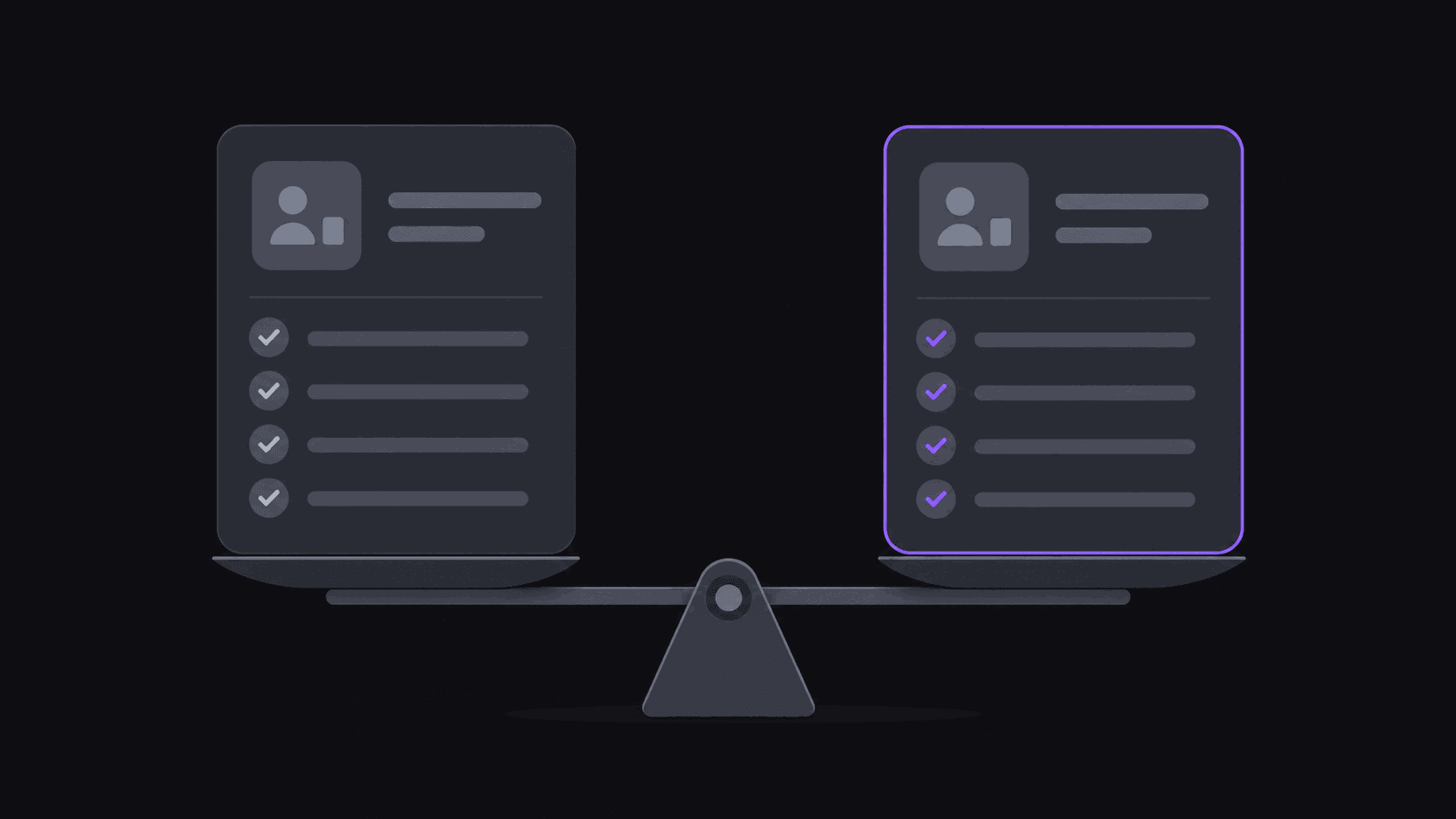
Short answer: clip channel or original content?
starting a clip channel if you want revenue sooner and are willing to accept a lower ceiling and a dependency on someone else's output. Make original content if you want to own the asset outright and can survive months before it pays.
They are not hard in the same place. Original content is hard at the front — idea, setup, being on camera, enough craft that the first attempt is watchable. Clipping is hard in the middle: the first clip takes an afternoon, the hundredth takes persistence and taste while everyone else clips the same source. Many people run both, clipping on retainer while building something they own.
Key takeaways
Clip channel vs original content, side by side
The two differ on almost every axis that matters, and none of the differences are about which one is easier.
| Dimension | Clip channel | Original content |
|---|---|---|
| Time to first post | An afternoon | Weeks, often longer |
| Hard part | Persistence and taste over months | Getting the first watchable thing made |
| Time to first revenue | Days to weeks via reward campaigns | Months |
| Ceiling | Lower, capped by source supply | Higher, capped by you |
| Who owns the audience | You own the account, not the material | You own both |
| Key risk | Source creator quits, changes posture, or is picked clean | Nobody watches |
| Face on camera required | No | Usually |
| Compounds over time | Somewhat | Strongly |
The comparison people get wrong
The usual framing is that clipping is easy and original content is hard. That's not quite it. They're hard in different places, and the difference determines who should do which.
Original content is hard at the front. Before you post anything you need an idea, a setup, a willingness to be on camera or to build something, and enough craft that the first attempt isn't unwatchable. Many people never get past that wall.
Clipping is hard in the middle. Getting your first clip out takes an afternoon. Getting a hundred out with consistent judgment, without burning out, while everyone else clips the same source — that's where it bites. The barrier isn't entry, it's persistence and taste.
So the real question isn't which is easier. It's which kind of hard you're built for.
Time and money, concretely
Original. A single well-made short-form video is commonly a two-to-six-hour job once you count concept, shooting, editing, and thumbnail. Posting daily as a solo creator is close to a full-time commitment, which is why most original creators post two or three times a week and grow slowly.
Clipping. After setup, the loop is: a source publishes, clips come back, you review and schedule. Around 9 clips from a typical video, back in roughly 5 minutes for a normal upload, longer for multi-hour sources. Most people spend 20 to 40 minutes a day on the whole operation. That difference in throughput is the entire structural advantage — you can be present in a feed daily while an original creator is present twice a week.
Cash. Original content's costs are equipment and time. Clipping's costs are tooling: $19.99/mo on Starter for one monitored channel and three social accounts, $39.99/mo on Pro for three channels and eight accounts. Neither is expensive; the original creator's cost is just denominated in hours instead.
First dollar. Clipping usually gets there first, mostly because paid clipping campaigns pay on views rather than requiring a monetized channel. Justin, a clipper, made about $3,000 in a month. Alex, a beginner with no prior editing experience, made $400. Results like these aren't typical — earnings depend on your niche, the campaigns you post to, and how consistently you publish.
What you own at the end
Here's where original content wins, and it isn't close.
A clip channel's audience follows the source. If the creator you clip stops posting, gets cancelled, or asks you to stop, your channel's supply evaporates and the audience has no reason to stay. You built distribution on land you're renting.
An original creator owns the relationship. Their audience follows them, which means they can change topic, launch a product, move platform, or take three months off and come back. That optionality is worth a great deal and it's the thing clipping structurally cannot give you.
There are two ways clippers mitigate this. One is running multiple source channels so no single creator can end you — three on Pro, ten on Scale. The other is building a channel identity around a niche rather than a person, so viewers follow "the best moments in this category" instead of "clips of that guy." Why niche clip channels beat general channels is the useful read here, and the clipper vs creator distinction covers the identity question.
Worth stating plainly: the ceiling on a pure clip channel is lower. Jake, a content creator, grew his views 5x — that kind of growth is available on either side. But the biggest outcomes in this space belong to people who own the audience.
Running both, in the right order
The version that works is sequential, not simultaneous.
Start with clipping. You learn what makes a hook work by watching hundreds of your own clips succeed and fail, and you learn it fast because your feedback loop is daily instead of weekly. You also learn a specific niche's audience intimately — what they respond to, what they're tired of, what nobody is making for them.
Then use the clip channel as distribution for your own thing. You've built an audience in a category and you know exactly what's missing from it. A weekly original video that fills that gap, promoted through a clip channel you already own, starts from a much stronger position than an original channel launched cold.
What doesn't work is trying to do both from day one. Original content demands your best creative hours and clipping demands consistency; splitting attention early usually produces a mediocre version of each. Pick clipping for the first ninety days, get the loop reliable, then add.
And if you're on the other side — a creator with a back catalogue — the clipping question flips entirely. Your own long-form archive is source material nobody can claim against you, and repurposing long-form content is the cheapest growth lever you have.
Frequently Asked Questions
Yes, primarily through paid clipping campaigns, affiliate arrangements with the creators you clip, and eventually running channels as a service for brands. Platform ad share on short-form is modest and shouldn't be the plan. The ceiling is lower than a successful original channel's, but the floor is reached much faster.
It's faster to start and harder to sustain. There's no camera, no script, and no performance — but there's also no natural moat, so consistency and editorial judgment are the only things separating your channel from the next one clipping the same creator.
No. The format is faceless by default. Some clippers add a short spoken hook at the front for retention, which is available on Pro and above, but nothing requires you to appear or speak.
Your supply stops. This is the main structural risk in clipping and the reason to run more than one source once you can afford it. Building the channel around a niche rather than one person also softens the blow, because you can substitute a new creator without the audience feeling like they followed the wrong account.
Easily, and that's a genuine advantage over original content. Changing a clip channel's source is a decision, not a rebrand of your personality. Give a niche at least forty clips before you judge it, though — nine posts is not enough data to conclude anything.
Related Articles
See also
Start on the side with the faster feedback loop
Monitor any public YouTube, Twitch, or Kick channel and get vertical captioned clips back automatically. Learn what makes a hook work in weeks instead of months, then decide what to build with it.
Get started for free