Why 3-Second Hooks Are Overrated
Updated
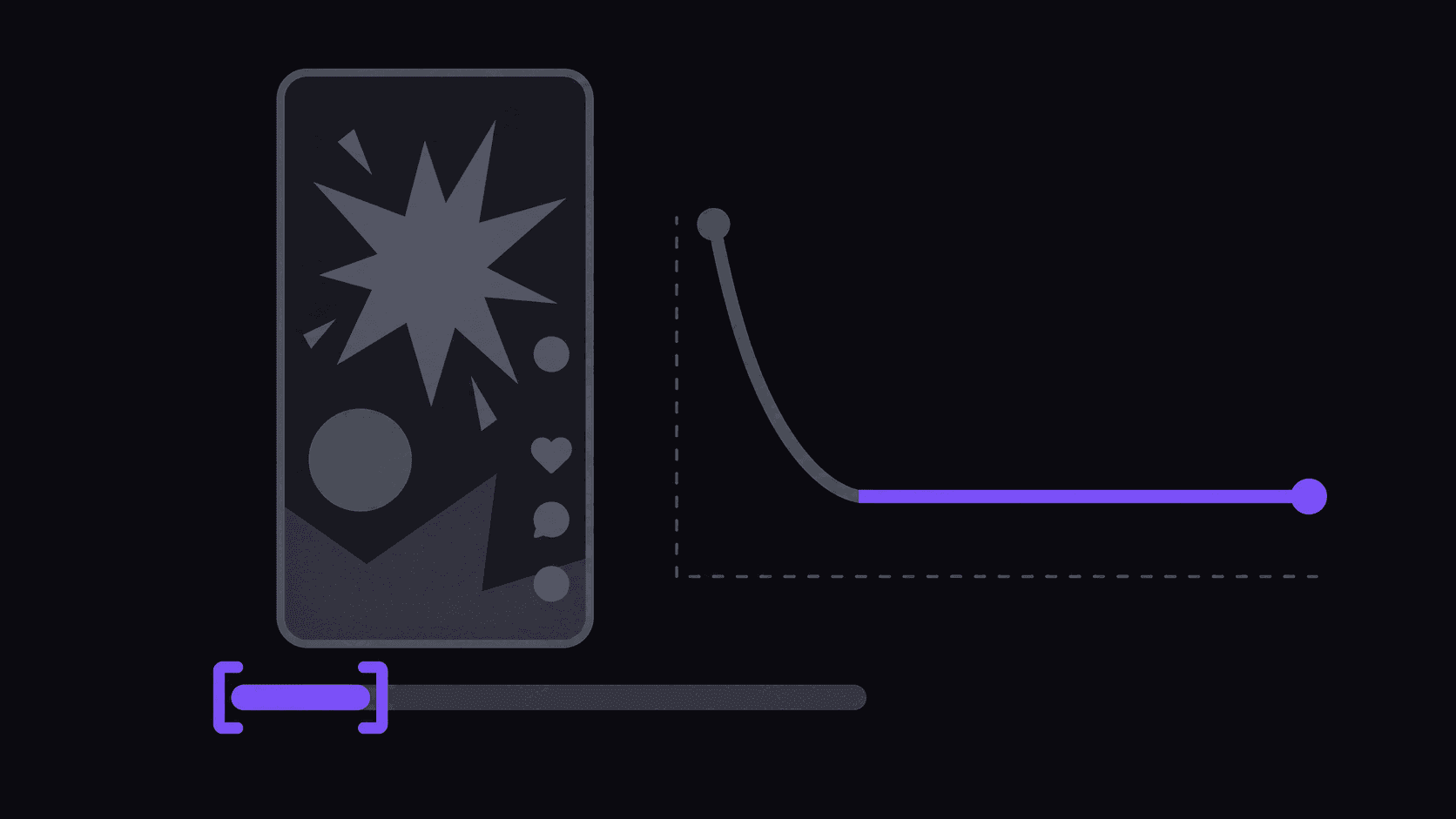
The rule optimizes for the wrong metric
"You have three seconds to hook them." Everyone repeats it. It is half true, and the half that is false costs people more reach than the half that is true earns.
Here is the problem. A three-second hook is optimized for the swipe-away decision at second three. But the metric that actually drives distribution is completion — whether someone watched the whole thing and, ideally, watched it twice. Optimizing hard for second three frequently damages second thirty.
The classic failure: you front-load the payoff. Streamer's biggest reaction goes at 0:00 because that is the most arresting frame. Retention at three seconds looks great. Then everyone leaves at eight seconds, because the clip already gave them the thing and the remaining 40 seconds are the setup they no longer need. Great hook rate, terrible completion rate, no distribution.
What actually holds people
Clips that perform tend to have a shape rather than a spike.
Open on tension, not payoff. Something is about to go wrong. Someone is about to be proven right. A number is about to be revealed. The viewer stays because they want the resolution, which you have not handed them yet.
Escalate in the middle. The most common weak point in a clip is second 10 to second 25, where the hook has worn off and the payoff has not arrived. Something has to change in there — a second speaker, a reaction shot, a visual shift, a caption that reframes what you thought was happening.
Land and stop. Cutting two seconds after the payoff instead of six is the single most valuable edit most people are not making. Trailing footage is where completion goes to die.
This is why cut points matter more than openers. A clip that starts mid-sentence and ends mid-sentence reads as sloppy no matter how strong the first frame is. Clips that begin at a natural speaker change and end on a complete thought hold attention better because the viewer is never quietly confused about what they are watching. Clip length versus completion rate has the numbers.
One caveat: none of this means the opening does not matter. It means the opening's job is to make second 30 possible, not to win second three at second thirty's expense.
When the three-second rule is actually right
It is not always wrong. It is right in specific places, and it is worth knowing which.
Cold feeds. When your clip is being shown to people who have never seen your channel, second three is genuinely brutal, and a strong open is the price of entry.
Very short clips. Under 15 seconds, the hook and the payoff are nearly the same moment. Front-load away.
Visually obvious content. Sports, fails, spectacle — if the appeal is what the frame looks like, put the best frame first.
Where it is wrong: anything narrative. Podcast moments, story clips, first-timer reactions, argument clips. These need setup, and stripping the setup to make a punchier opener guts them.
The practical version: match your opener to your clip length. Under 15 seconds, hook hard. Thirty to ninety seconds, open on tension and let the arc do the work. If you are testing this, change one variable — post the same moment cut two ways a week apart and compare completion, not views. Ten types of viral clip hooks covers the openers worth testing, and what a clip hook actually is is the primer if this is new.
Frequently Asked Questions
No — you should stop treating them as the only thing that matters. Make the opening clear and slightly tense, then spend your effort on the middle and the ending, where most clips actually lose people.
Thirty to ninety seconds is where narrative clips do their best work. Under 20 seconds there is not enough room for tension and resolution; past two minutes completion falls off sharply on most feeds.
Look at where viewers leave. Heavy drop before five seconds is a hook problem. A steady bleed from ten to thirty seconds is a middle problem, and no opener will fix it.
Somewhat. TikTok is least forgiving of a slow open, YouTube Shorts is more tolerant of setup, and Reels sits between them. The same moment often deserves two different cuts rather than one cross-posted file.
Yes, and you should. Post the front-loaded cut and the arc cut a week apart to the same audience, and compare completion rather than view count. Views are noisy; completion is the signal the feed is actually reading.
Related Articles
Cut for the arc, not the first frame
Get clips that start on a natural speaker change and end on a complete thought, then adjust length and pacing per platform in the timeline editor.
Get started for free