What the Best Clip Channels of 2026 All Do Right
Updated
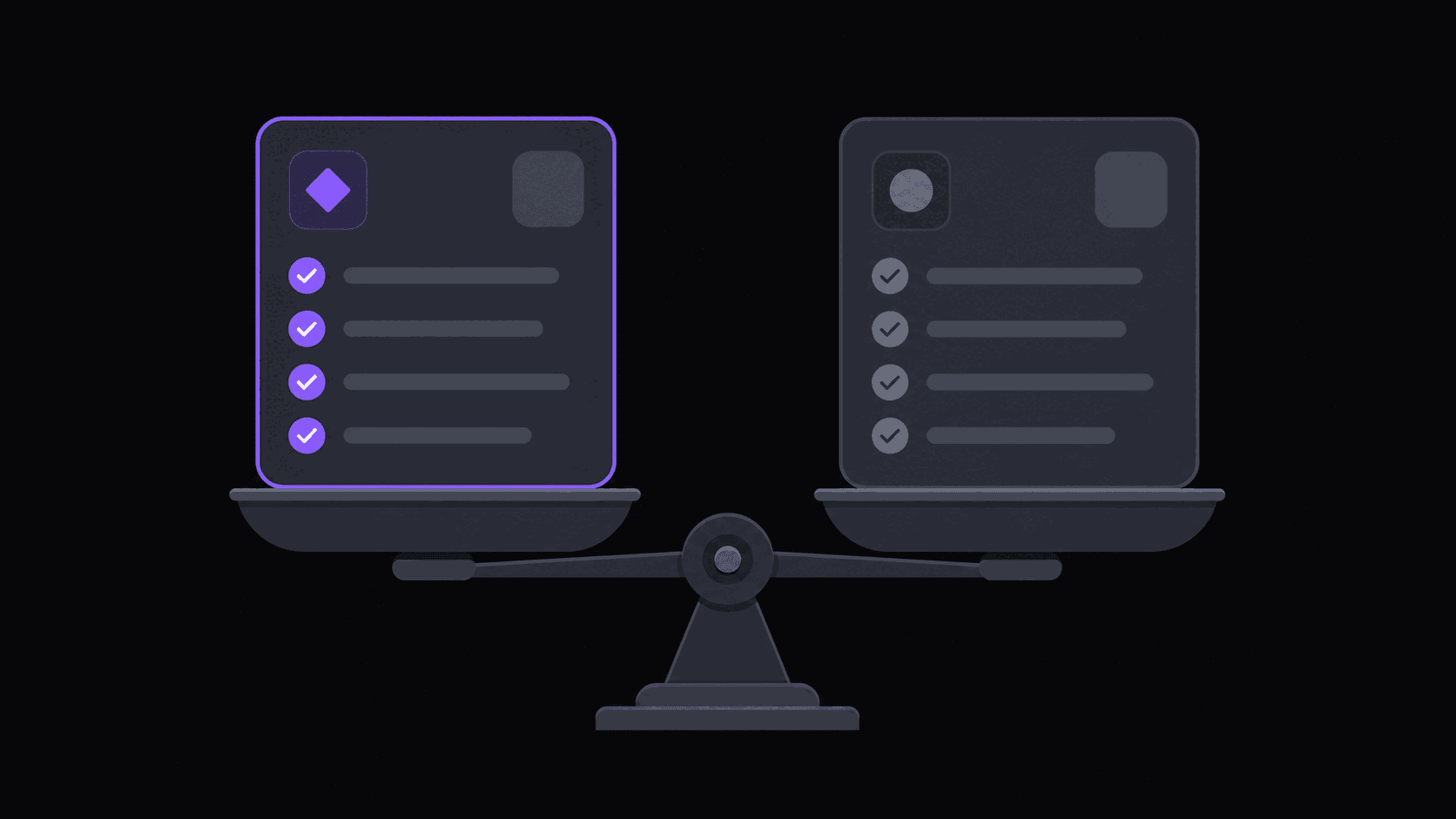
The winners are boring on purpose
Spend an evening scrolling the clip channels that pulled real numbers this year — the stream clippers, the podcast bite accounts, the sports highlight pages, the faceless Reels operations — and the striking thing is how little variety there is in how they operate. The content differs wildly. The operating pattern barely differs at all.
That is good news. It means the thing to copy is not a channel, it is a routine. Copying content gets you a takedown and a ceiling. Copying the routine gets you a business.
Six habits show up almost every time.
1. One source, deeply covered — then a second
The channels that grow fast pick one creator, show, league, or game and cover it exhaustively for months. That is what trains the algorithm on who your audience is and what trains you on which moments in that source actually travel.
What they do next is the part people miss: once the first source is running on autopilot, they add a second in the same genre rather than diversifying into something unrelated. Two adjacent sources double the raw material without splitting the audience. Three or four is where most of them plateau — beyond that, the sources start competing for the same slots in the same feed.
Starter monitors one channel, Pro three, Scale ten. Most channels that are actually working sit comfortably inside Pro.
2. Volume that never stops, including the weeks nothing hits
Almost every account worth studying publishes multiple times a day, every day, for months. Not because volume is magic, but because short-form outcomes are heavy-tailed: the difference between a channel that works and one that does not is usually a handful of clips that broke out, and you cannot schedule which ones those will be.
The corollary is the part that kills people. The winning channels kept posting through the flat weeks. Nearly every clipper who quit did so during a stretch that looks, in hindsight, completely normal. Posting cadence guide for clip channels has the concrete numbers.
If hand-editing is the reason daily posting is impossible for you, that is a solvable constraint rather than a character flaw — cut the per-clip time cost and the cadence stops depending on how much energy you have that night. Jake, a content creator, grew his views 5x.
3. A format the audience can recognize in half a second
Same caption style. Same aspect ratio and framing. Same rough length band. Same opening beat. Consistency is not laziness — it is how a returning viewer identifies your clip in a feed before they read a word.
The channels that do this best have a template they almost never break: a hook in the first second, the speaker kept centered even when the source shot drifts, word-synced captions, and a hard cut out the moment the payoff lands. No intro. No branding animation. Nothing between the viewer and the moment.
A saved brand kit — caption style, font, logo placement — makes this automatic instead of a per-clip decision. Pro includes custom fonts and a brand kit; Scale allows unlimited kits, which matters when you run several channels with different looks.
4. Cuts that end where the moment ends
Watch a bad clip and a good clip of the same moment back to back and the difference is almost always the out-point. Bad clips run four seconds past the laugh. Good clips are out before the viewer thinks about leaving.
The same discipline applies to multi-speaker sources. A cut that lands on a speaker change reads as a scene; a cut that lands mid-sentence reads as a mistake, and viewers bail. This is most of the reason podcast clips feel either professional or amateur — it is rarely the captions.
More on the mechanics in clip pacing and viral clip hooks guide.
5 and 6. Three platforms, and one number worth tracking
None of the channels worth studying live on one surface. They run TikTok, Shorts, and Reels at minimum, and they change the caption and title per destination rather than uploading identical posts simultaneously.
The reason is arithmetic. The same clip, adapted, gets three independent chances at a breakout instead of one — and the platforms' audiences overlap far less than clippers assume. Why cross-posting is the only strategy that scales makes the case in full.
The failure mode is posting the same file, same minute, everywhere, watermark included. That is not cross-posting, it is duplicating.
The second half of this habit is measurement. The operators who improve fastest track hook rate — what share of viewers are still watching after the first three seconds — and treat everything else as downstream. Followers, likes and comments follow retention; retention follows the first second.
Practically: keep a running list of every clip, its first-frame choice, its opening line, and its three-second retention. After thirty clips a pattern appears that no general advice post can give you, because it is specific to your source and your audience. 8 clip channel metrics every clipper tracks covers what else is worth logging, and hook rate defines the number precisely.
None of this is glamorous. That is the actual finding: the top clip channels of 2026 are not doing anything clever. They are doing six ordinary things without missing weeks.
Frequently Asked Questions
Because naming ten channels would be a list of accounts that were doing well the week it was written, and clip channels turn over fast. The habits hold across every one we looked at; the specific accounts will not hold through next year.
You can copy their format, cadence, and source category. Copying their actual clips gets you nowhere — you will always be second to the moment, and second gets a fraction of the reach. Speed and format are copyable; their back catalog is not worth having.
Hand-editing, two to three before it stops being sustainable. With the cutting and posting automated, six to ten is normal, because your remaining work is selection and titling. A typical video yields around nine clips and comes back in around 5 minutes.
Yes, with a slower cadence. Podcast and B2B clip accounts tend to run one to three posts a day rather than eight, and their clips run longer. The source-depth, format-consistency and per-platform-adaptation habits transfer unchanged.
Yes. Pro monitors three source channels with eight connected social accounts; Scale monitors ten with 25. The practical limit is usually your attention on titles and selection, not the plan.
No. Results like Jake's are not typical — growth depends on your niche, your source, and how consistently you publish. Treat any single result as an existence proof, not a forecast.
Related Articles
Run the routine, not the guesswork
AutoClip watches a source channel, cuts vertical captioned clips from every new upload, and posts them on a spaced schedule — the same loop the channels that work already run.
Get started for free