Niche Clip Channel vs General Highlight Channel: Which Wins?
Updated
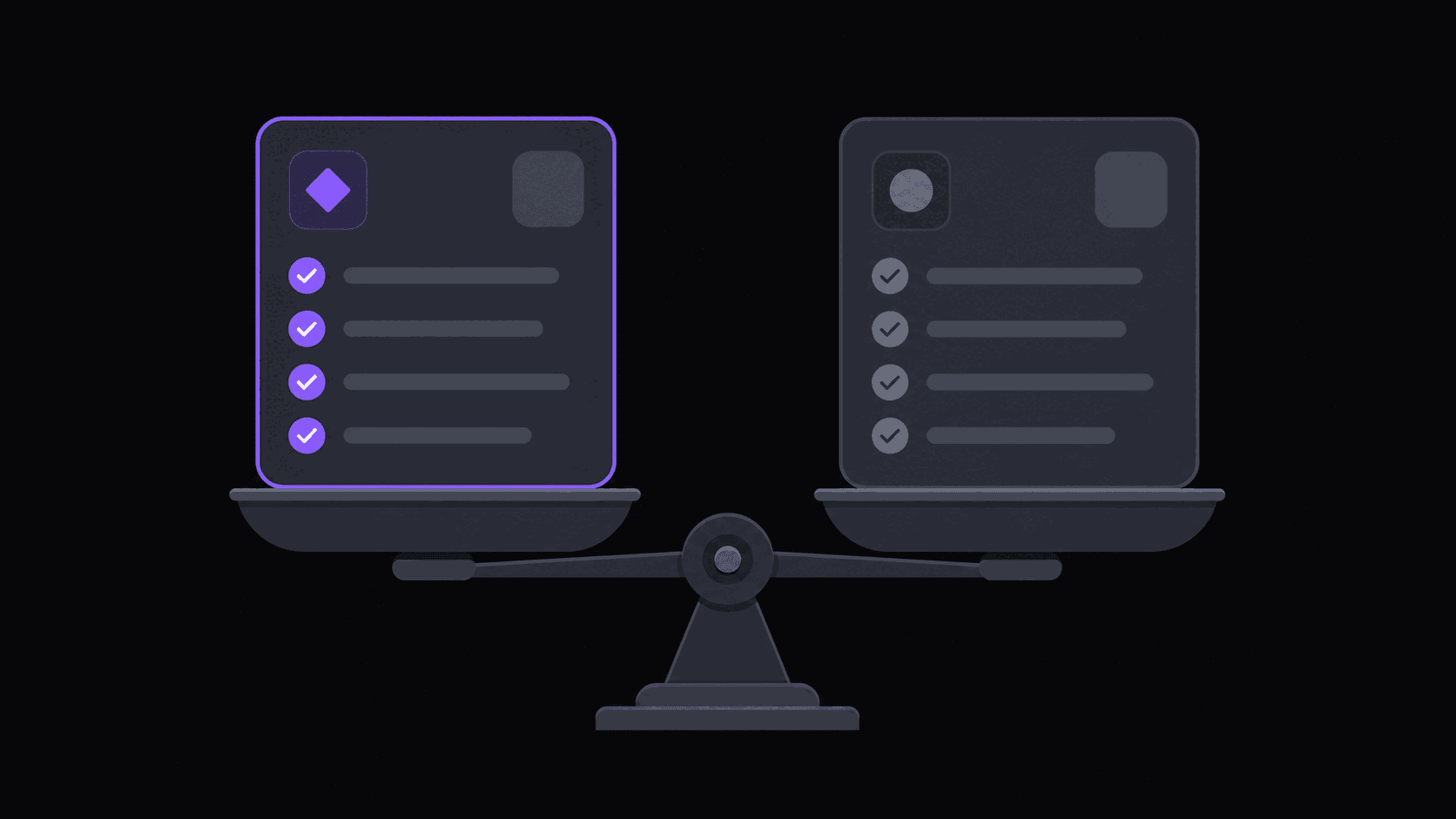
The two bets, stated plainly
A niche channel says: I will clip one thing, and the people who care about that thing will follow me because I am the reliable source for it.
A general channel says: I will clip whatever is performing, and the algorithm will find an audience for each individual clip regardless of what I posted yesterday.
These are not two flavors of the same strategy. They're bets on different mechanisms. The niche bet is on audience memory. The general bet is on distribution — that short-form feeds serve clips to interested strangers rather than to your subscribers, so a coherent identity is optional overhead.
Both bets pay. They just pay differently, and at different times.
What niche channels are actually good at
The advantage that matters most is that the platform learns who to show you to. When every clip you post is the same category, the feed builds a confident model of your audience within a few weeks instead of a few months. New posts start from a warmer audience than a general channel's do.
Second advantage: repeat viewers. A viewer who liked your last clip and knows what your next one will be is far more likely to follow. General channels are a series of one-night stands with the feed.
Third, and this is the underrated one — sponsorships and campaign work. Brands and content-reward campaigns buy audiences, not view counts. A channel with 40,000 followers who all care about one specific thing is worth more than a general channel with 200,000 who care about nothing in particular.
The cost is a ceiling. Every niche has a finite audience, and when you've reached most of it, growth flattens no matter how good the clips are. That plateau is real and it arrives sooner than people expect.
What general channels are actually good at
Volume, mostly. A general channel is never blocked on supply. There is always something worth clipping, so a bad week for one source doesn't take the whole channel down.
General channels also win the lottery more often, in the plain statistical sense. If you post four clips a day across five unrelated categories, you're buying more tickets across more audiences. The occasional enormous outlier is more likely to show up.
And they're resilient. Niche channels die when their niche dies — a streamer quits, a game's popularity collapses, a sport's rights move behind a paywall. General channels reroute.
The cost is that follower counts stay soft. Views come in, followers don't, and the ones you get are low-intent. Monetization is harder because you have nothing coherent to sell. You will also work more per view, because you're re-learning what performs in five categories instead of getting good at one.
The threshold where the math flips
Somewhere around the point where a niche channel's growth flattens — often in the tens of thousands of followers, depending on how big the niche is — the calculus changes. Before that point, focus is doing real work for you: the feed knows you, your audience is compounding, and every clip benefits from the last one.
After it, focus starts costing you. You've captured most of the people who care about your topic, and posting more clips into the same pool produces diminishing returns.
The move at that point isn't to become a general channel. It's to add an adjacent niche — a second channel, or a widened definition of your existing one — so you get a new audience pool while keeping the coherence that made the first channel work. Chess clippers widen into general strategy games. UFC clippers widen into combat sports. Podcast clippers widen from one show to a genre. Niche pivots are covered here in detail.
What you should not do is start general because you can't decide. Indecision looks identical to strategy at 500 followers and nothing like it at 50,000.
What each strategy demands of your workflow
A niche channel is a depth problem. You need to clip fewer sources more thoroughly, which means going back through archives, finding the moments other channels skipped, and posting consistently enough that your audience learns your schedule. One to three monitored channels is usually enough — that's what a Starter or Pro plan covers.
A general channel is a throughput problem. You need many sources, tracked constantly, with fast turnaround from upload to post. That means monitoring closer to ten channels and a real posting queue. On a practical level, that's the difference between the Starter plan at $19.99 a month with one monitored channel and the Scale plan at $79.99 with ten.
The thing that quietly decides it: a general channel run manually will eat your entire week. A niche channel run manually is survivable. If you're not automating source monitoring and scheduling, pick the niche.
Frequently Asked Questions
Niche, almost always. Not because it's better forever, but because it gives you feedback faster. You'll know within six to eight weeks whether a specific audience responds to you. A general channel takes far longer to tell you anything useful, because every clip is a separate experiment.
It depends entirely on how big the underlying audience is. A channel clipping a top-tier streamer or a mainstream sport has a much higher ceiling than one clipping a niche game. Before committing, ask whether the topic has an audience in the millions or the tens of thousands — that number is roughly your ceiling, discounted heavily.
Yes, and it's a common setup: a niche channel you're building deliberately, plus a general channel that catches everything else. It only works if the clips are being produced automatically — running two manual channels is how people burn out by month four.
It changes the volume math, not the strategy. The same clip on Shorts, TikTok and Reels reaches three separate audiences, which makes general channels more viable than they were a few years ago. It doesn't fix the follower-quality problem.
Related Articles
See also
Pick the Strategy. Let the Volume Handle Itself.
Whichever way you go, the per-clip work is the same grind. AutoClip monitors your sources, cuts the clips, and schedules the posts so the only decision left is the strategic one.
Get started for free